How Individual Nursing Charting Habits Affect Unit-Level Safety Outcomes
Cognitive overload during shifts causes nurses to omit critical details that compromise unit safety.
Individual nursing charting habits shape unit-level safety through cognitive mechanics. The mental budget spent on twelve hours of care decisions also determines how completely and accurately a nurse documents. When that budget runs short, gaps in the record leave the care team with gaps in what it knows. Closing those gaps means changing how the work is set up so that accurate documentation takes less mental effort.
Why charting quality is a cognitive output, not a professional attitude
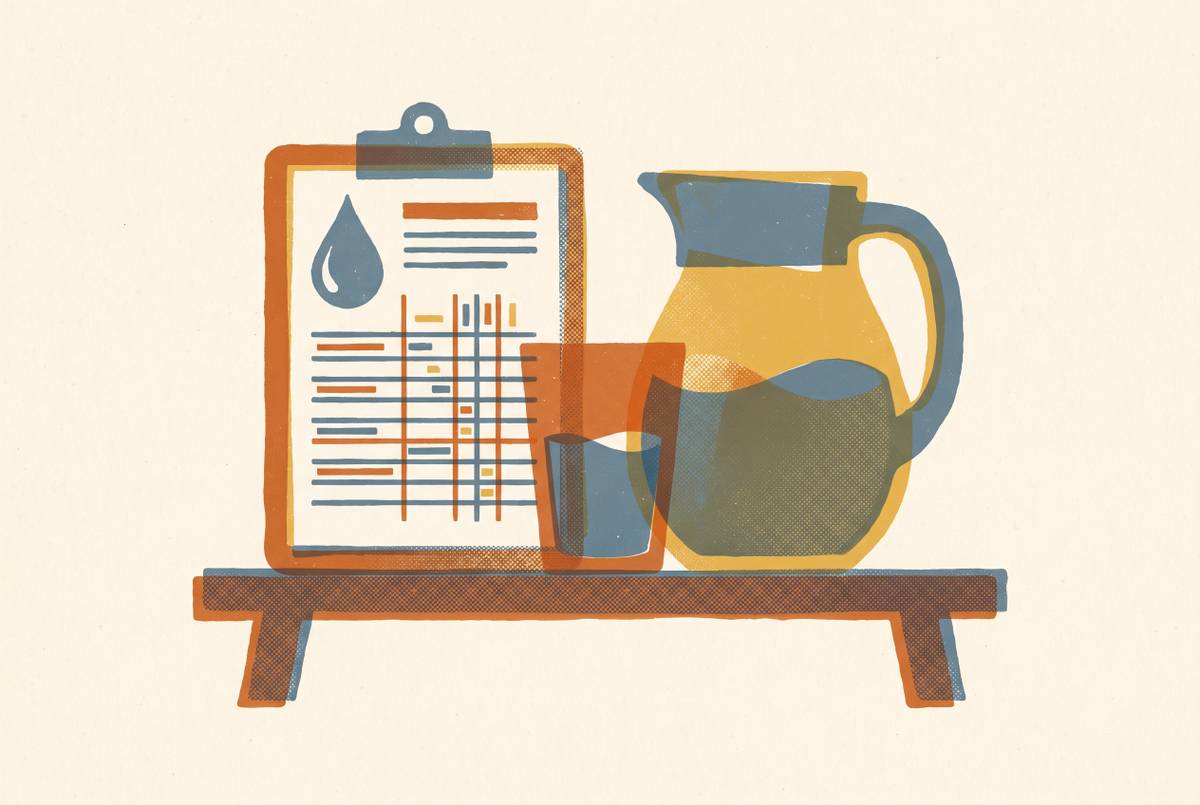
Poor charting is often treated as evidence of a poor attitude, shortcuts, or inadequate training. That explanation misidentifies the mechanism when a nurse knows what to document but lacks the cognitive resources to document it fully. Dr. Michael Privitera of the University of Rochester Medical Center states that “brainpower is a finite resource — we have to budget the expertise like we would money and allocate it in the right places.” Documentation draws on that same resource rather than on a separate reserve of professional commitment.
Privitera's framework distinguishes three components, namely intrinsic load, germane load, and extraneous load. Intrinsic load is the inherent difficulty of the task, while germane load is the effort of building and automating long-term knowledge schemas. Extraneous load is the unnecessary burden imposed by how information is presented or by poor system design. Clinical work determines intrinsic load, but extraneous load is a design choice and the component that can be engineered away.
How a skilled nursing facility stacks cognitive load before a nurse opens the chart
Skilled nursing facilities combine sources of cognitive load in a way that few other care environments match. Residents have high acuity and dense comorbidity profiles, while one nurse's attention spans many residents with competing needs. Those needs come up at the same time, before the nurse can finish one decision and move to the next. Direct care, handoffs, and real-time problem-solving therefore draw repeatedly on the same finite budget throughout the shift.
Nurses must also complete the documentation that regulations require while still doing all of that clinical work. A comprehensive MDS assessment has hundreds of answers or choices in its items and CAA investigation. Its volume makes it a substantial cognitive task in its own right. The nurse must meet these requirements while also preserving the observations that make the resident's record clinically useful. Neither obligation becomes optional when bedside demands intensify.
The EHR can add extraneous load to this already demanding environment. Documentation workflows that fit the work poorly take mental effort without helping with care. By the time a nurse sits down to write an end-of-shift note, much of the available budget has already been spent elsewhere. The note relies on the brainpower left after care decisions because none has been set aside for documentation. Its limitations are therefore a predictable consequence of the work's structure.
What specifically degrades in a nurse's charting as cognitive resources deplete
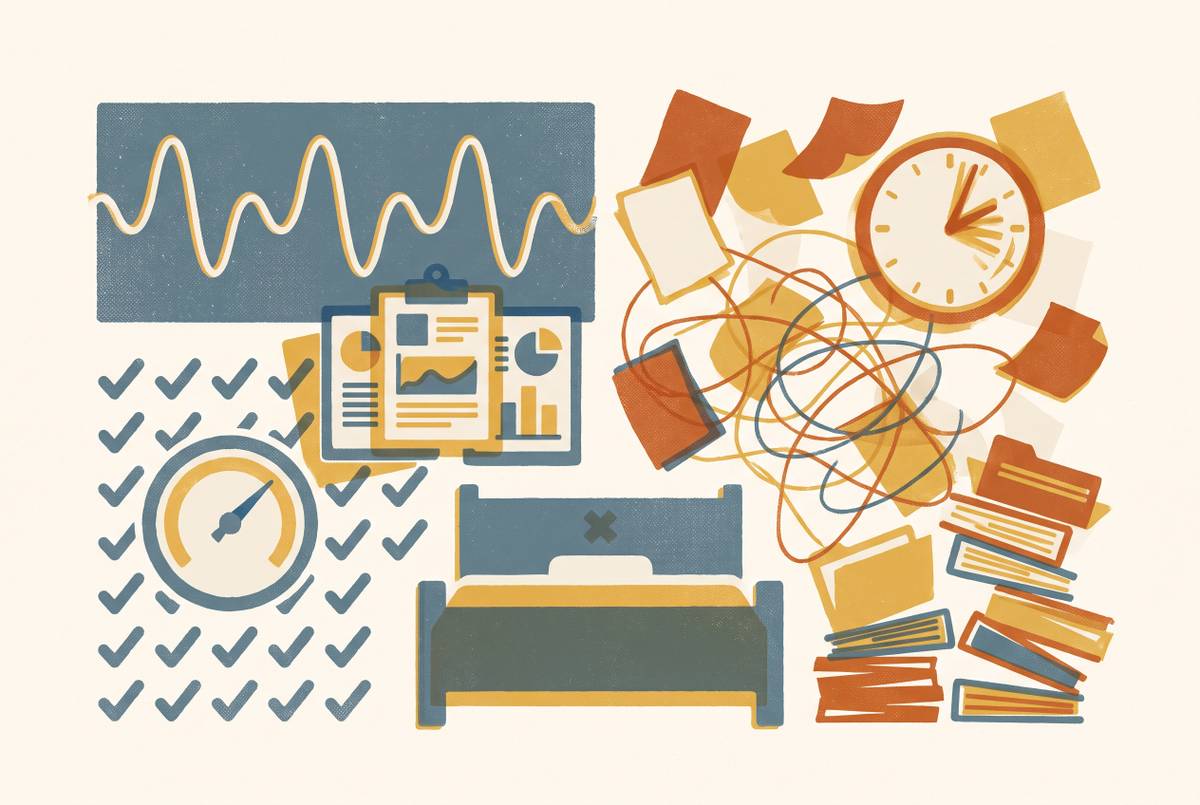
With cognitive fatigue, errors in documentation follow a pattern that can be recognized. Nurses are less likely to recall details correctly when they have to remember what they saw hours earlier. Subtle signals, including a behavioral shift, a slow decline in mobility, or a small trend in vital signs, are especially vulnerable when memory stretches thin. Their omission removes the detail that distinguishes a developing change from an apparently stable condition.
Specificity also fades because precise clinical language requires mental effort. A nurse may retain the broad impression of an encounter without documenting the observations that gave it meaning. Vague wording can pass an internal review yet fail to support the record when an external audit checks it. The loss is both clinical and evidentiary because the note no longer clearly conveys what was observed.
MDS coding places a different demand on the same depleted resources. With so much coding to do and attention already spent, the way the work is set up makes it hard to get entries right. Under PDPM, coding accuracy determines case-mix classification, so an error in an entry can also affect reimbursement. Restorative nursing documentation is a specific casualty of this pressure. Leaving out frequency and duration data directly affects the Nursing component score, though those details may seem routine in the record as a whole.
Care plan drift occurs when the written plan stops matching what is happening at the bedside. The gap leaves the record describing a resident's earlier needs rather than the current condition, and it is visible to state surveyors and Recovery Audit Contractors conducting retrospective reviews. Medication records expose another consequential failure pattern. Incomplete or delayed charting can contribute to dose omissions, wrong-time entries, and reconciliation failures at care transitions. These are different expressions of the same constraint, in which depleted resources weaken the accuracy and timeliness of the information other people need.
How individual documentation gaps compound into unit-level safety risk
An omitted skin wound observation shows how a single gap can become a unit-level safety problem. If an evening nurse does not record the observation, the daytime nurse may assume that nothing has changed. A preventable pressure ulcer can then develop through accumulated documentation silence. The risk crosses the shift boundary because the next nurse acts on an incomplete account of the resident's condition.
Continuity of care depends on the outgoing record being complete enough for the incoming nurse to use. A missing observation is therefore not confined to the shift in which it was omitted. It can persist into later shifts and shape decisions by people who did not see the original condition. Copy-paste charting extends this mechanism when duplicated entries perpetuate an earlier assessment, camouflage deterioration, and support inappropriate decisions across the care team. The unit inherits the information gap even though no single nurse created the entire resulting risk.
The same omission can also impose a double penalty when records support predictive risk models. The care team loses a signal it needs to make a decision now, while the model loses a signal it needs for risk stratification or trend monitoring. Small changes in behavior and a slow decline in mobility matter to both uses of the record. Documentation quality therefore affects not only the next bedside decision but also the information on which broader risk detection depends.
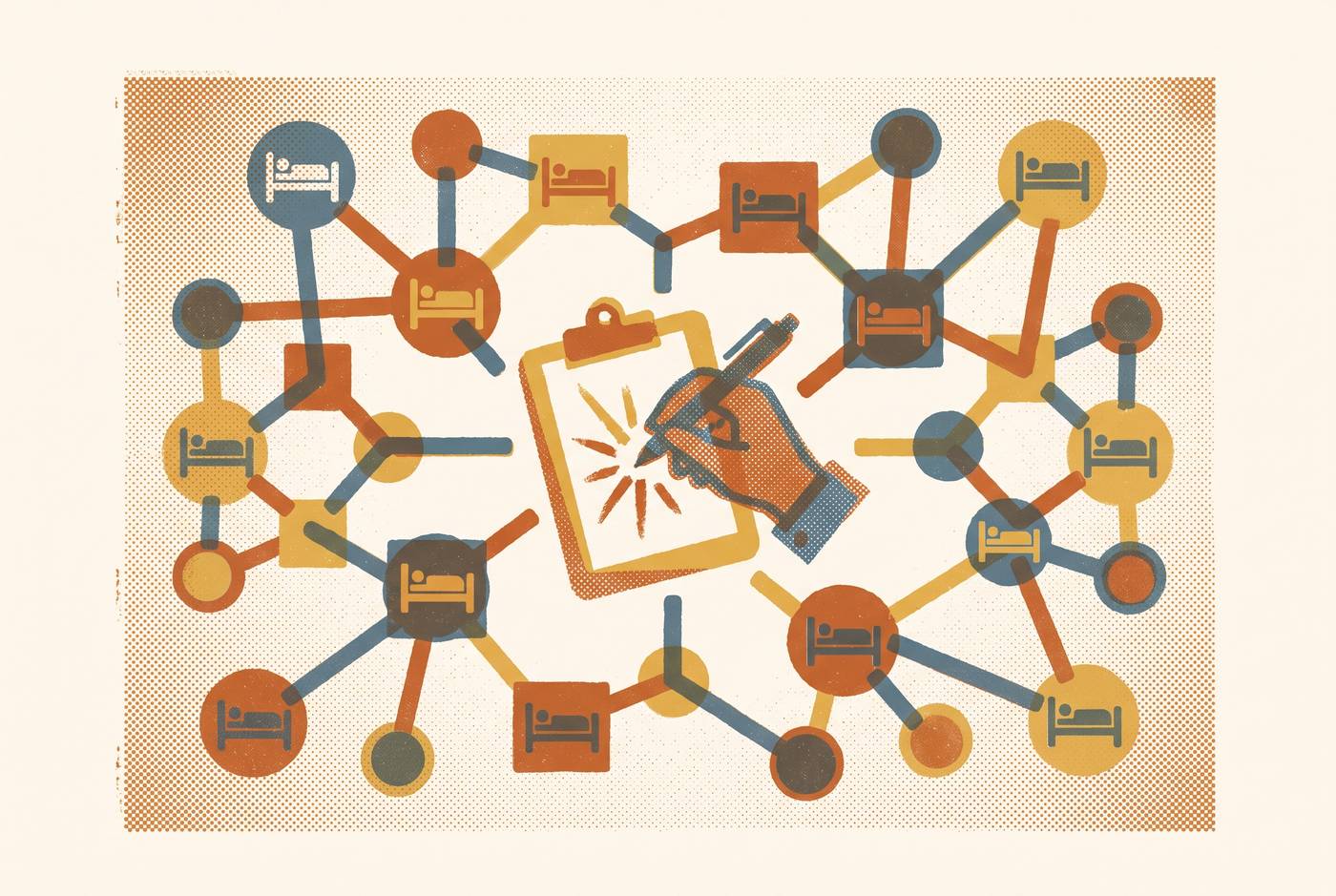
This is the critical shift from individual habit to system performance. The nurse writes an entry, but the unit relies on it as shared clinical knowledge. Repeated omissions across depleted shifts create a pattern that no single nurse can reliably catch. A documentation problem becomes a safety problem when later decisions depend on detail the record no longer contains.
Where the compliance system intersects with these documentation gaps
Regulatory exposure follows the same gaps that weaken continuity of care. CMS revised its Long-Term Care Survey Process guidance through QSO-25-14-NH, and the updated guidance took full effect April 28, 2025. Its scope includes Resident Assessment, Nursing Services, and Quality of Life and Quality of Care. Under these areas, the facility must keep the resident's record accurate as part of both its compliance duties and its clinical work.
F689, Free of Accident Hazards/Supervision/Devices, connects directly to incomplete or outdated documentation of fall risk assessments, supervision plans, and care interventions. F656, Develop/Implement Comprehensive Care Plan, addresses care plan drift. An existing plan may no longer reflect the resident's condition. In both cases, the documentation failure established at the bedside becomes visible through the compliance system.
F641 addresses MDS accuracy. CMS updated surveyor guidance in 2025 to explicitly include review of MDS coding accuracy, connecting discrepancies between the MDS and the clinical record to survey exposure. Under PDPM, those discrepancies also carry reimbursement consequences. The same coding failure can therefore affect both regulatory standing and payment, making documentation quality a financial governance concern as well as a clinical one.
Falls reporting tightens that connection further. CMS's Special Focus Facility selection now takes falls data into account, while falls with major injury has long been a Care Compare quality measure. The OIG's September 2025 report found that underreporting made that measure inaccurate and that CMS had not yet implemented the proposed claims-based improvement as of that date. Accurate MDS fall coding and supporting documentation consequently matter beyond the individual record. They help determine how the facility's safety performance is represented externally.
Why the unstructured note is both the biggest problem and the most underused asset
The clinical detail needed to understand these risks often lives in free-text notes. Structured entries can record defined categories, but narrative documentation captures nuances those categories miss. Unstructured EHR data includes what physicians observe, patient histories, and diagnostic impressions, while nursing notes record small changes seen during care. The same flexibility that gives narrative its clinical value also makes its completeness dependent on the writer's available cognitive resources.
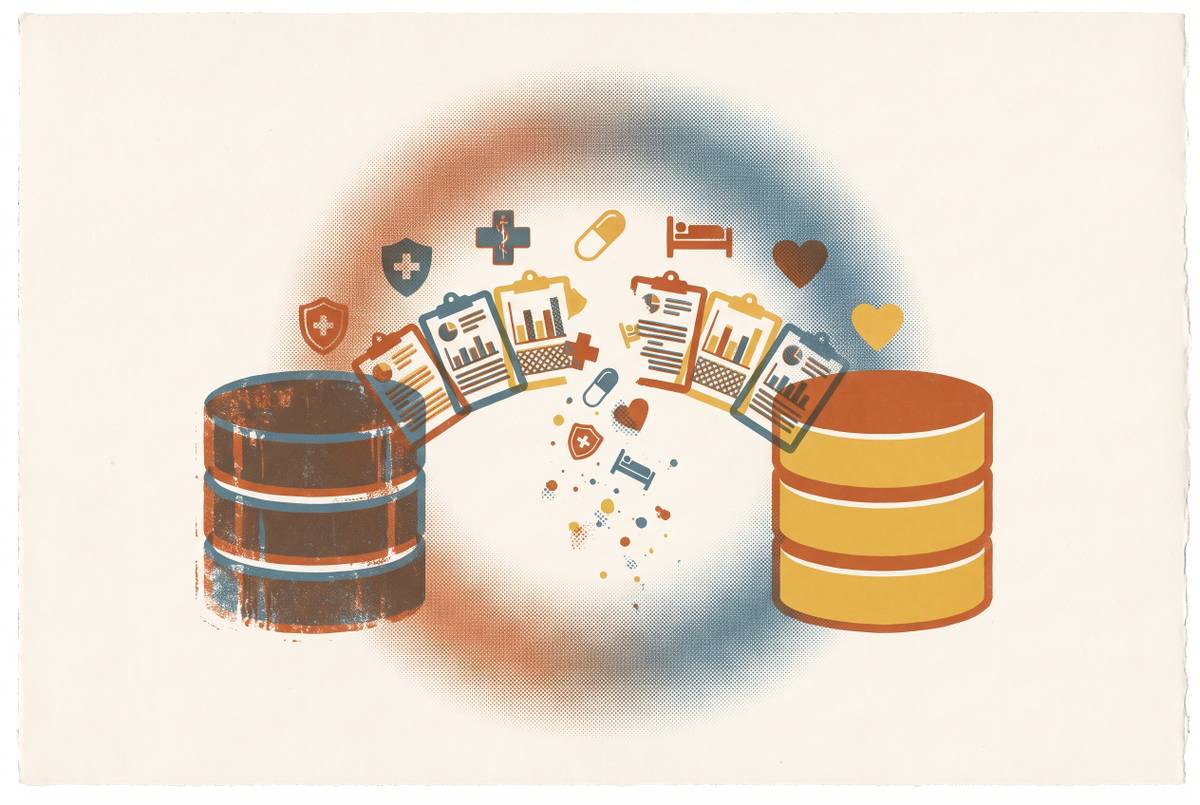
A large-scale feasibility study published in JMIR in 2025 found that the vast majority of extracted concepts from patient records had no structured counterpart. The barrier is not simply whether an observation exists, but whether it can be recovered from the form in which it was documented.
This creates a double bind for facilities. Cognitive fatigue erodes the specificity and completeness of the notes that carry valuable signals, and even adequate notes require significant manual effort or computational investment to interpret at scale. A slight change in respiratory pattern, slow mobility decline, or small behavioral shift may matter even if it is hard to find across the chart. Those are precisely the kinds of signals that predictive risk models depend on.
Extraction cannot supply an observation that was never documented, but an adequate note can contain information that structured fields leave inaccessible. The narrative record is therefore both a vulnerable point in the workflow and an underused asset. Much of the clinical intelligence the facility needs is already there, in the documentation nurses already produce.
What structural interventions actually reduce the cognitive load that degrades charting
The relevant test for an intervention is whether it reduces extraneous load rather than adding another demand to a depleted shift. Structured templates reduce the need to hold documentation requirements in working memory, leaving the nurse to focus on what was observed. Their value lies in making completeness less dependent on recalling every required element unaided.
Workflow realignment addresses the effort spent navigating the system. Removing duplicative documentation fields and aligning EHR navigators with nursing workflow reduces clicks and context-switching that add no clinical value. Documentation macros built for the unit, or pre-built selections, can make routine entries take less effort. That saving leaves more of the mental budget available for observations that require specificity. The purpose is to simplify routine work without treating every resident's condition as interchangeable.
Real-time charting, where feasible, removes dependence on retrieving observations at the end of the shift by recording them during care. That approach requires mobile access and workflows that make documentation during care realistic. AI-assisted ambient documentation offers another strategy for reducing documentation burden and time away from the bedside. Its place in the argument is the same as that of other structural tools, which is to reduce the work required to produce a useful record.
Consistent use remains a condition of benefit, but that does not turn the problem back into one of motivation. Cognitive load helps determine how well a nurse can use a tool within the nursing workflow. An intervention that introduces new entry requirements may recreate the burden it was meant to remove.
Tools that read the documentation nurses already write bring this approach to the whole unit. By extracting intelligence from existing notes without requiring new entry, they make imperfect charting more useful without demanding more charting from depleted staff. Their value depends on recovering what is present, while better documentation workflows reduce what goes missing. Together, these approaches address both the production and use of clinical information.
Sources
- JMIR Nursing - Evaluating Nurses’ Perceptions of Documentation in the Electronic Health Record: Multimethod Analysis
- Enhancing Clinical Documentation: The Effect of Structured Templates on Follow-Up Notes in a Low-Resource Hospital Setting
- Structured Codes and Free-Text Notes: Measuring Information Complementarity in Electronic Health Records